







Search Results for: Central American coffee regions
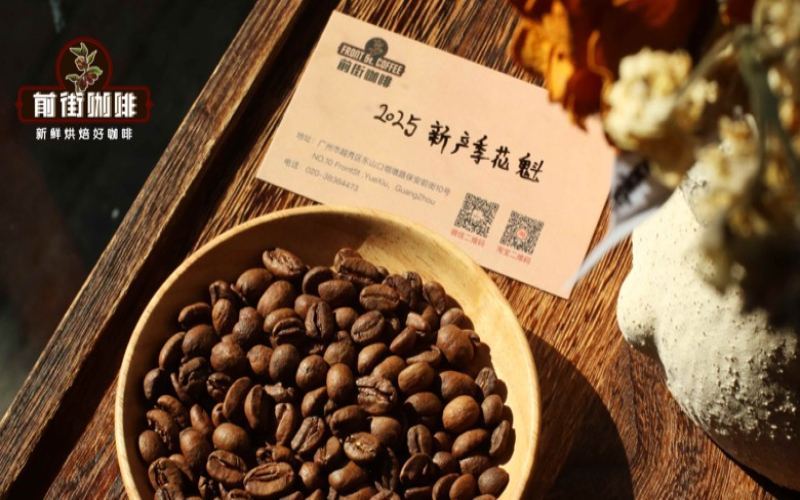
Arabica Espresso Origin Selection: A Comparison Between Ethiopian SOE and Central & South American SOE
When making espresso SOE with Arabica beans, the choice of origin directly determines the flavor direction of the espresso. Ethiopian SOE and Central-South American SOE are two entirely different paths, each with its own charm, suited to drinkers with different taste preferences. Ethiopian SOE takes the route of intense floral and fruity aromas. Huakui sun-dried beans [more…]
A Detailed Explanation of the Flavor and Processing Method Differences Between African and American Coffee Beans: A Comprehensive Analysis of Coffee Varieties in Major Central and South American Producing Regions
There are notable differences between African and American coffee beans in terms of flavor expression and processing methods, and Central and South America, as an important global coffee-producing region, has given rise to many specialty coffees of diverse styles. Starting from representative origins such as Guatemala, Colombia, and El Salvador, this article sorts out the differences between African beans and American beans, and introduces the types and characteristics of Central and South American coffee. Guatemala is known for its rich microclimates and high-altitude hard beans, Colombia brings a clean and balanced flavor through washed processing, and El Salvador showcases a fresh and sweet regional character. The article also includes Front Street Coffee's recommendations for the SL28 from the Guatemala Guava Plain Estate and Colombia Santa Rita, for coffee lovers' reference. [more…]
Tracing the History of Coffee Cultivation in Costa Rica: The Central American Birthplace and an Analysis of the Tarrazú Mirazú Estate
Costa Rica was the first country in Central America to cultivate coffee. Its coffee industry has developed since the mid-18th century and is renowned for its well-established organizational system and world-class quality. The country's seven main producing regions are distributed along the Central Plateau from northwest to southeast. Volcanic ash soil, mild temperatures, and abundant rainfall create exceptionally favorable growing conditions. The coffee beans produced are all Arabica, with pure flavor, pleasant aroma, and an excellent balance of acidity and body, making them suitable both as single-origin coffee and for blending. This article will trace the origins of coffee in Central America, explain in detail the cultivation altitudes, harvest seasons, and cupping performance of Costa Rica's producing regions, and focus on the world-famous Tarrazu region and Mirazu Estate, while also offering related recommendations from Front Street Coffee. [more…]
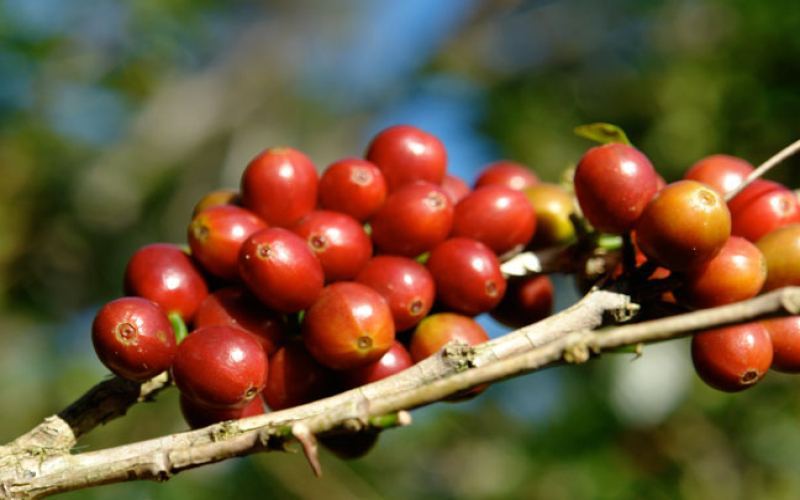
A Buying Guide to Central and South American Coffee Beans: Comparing the Flavors of Colombia, Brazil, Panama, and Other Origins
Central and South America are key regions in the specialty coffee landscape. From the caramel sweetness of Colombia to the floral and citrus notes of Panama Geisha, and the nutty, chocolatey base of Brazil, each producing region has a unique terroir expression. This article systematically reviews the coffee-producing regions of the seven countries of the Central American Isthmus and the Caribbean islands, detailing the classic flavor characteristics and representative origins of Colombia, Guatemala, Costa Rica, Panama, El Salvador, Brazil, and other countries. It also includes recommended beans and roasting suggestions from Front Street Coffee for each, helping coffee lovers quickly find their preferred choice based on taste preferences. [more…]
A Complete Guide to Central and South American Coffee Regions: Flavors, Varieties, and Key Producing Countries of Latin American Coffee Beans
The world's coffee belt can be divided into three major producing regions: Africa, Asia-Pacific, and Latin America, each presenting distinctly different flavor profiles. African beans are known for their fruity acidity, Asian beans for their herbal richness, while Latin American coffees fall somewhere in between, celebrated for their balanced, mellow character reminiscent of cocoa and dark chocolate. This article focuses on the Central and South American producing regions, examining country by country—Brazil, Colombia, Panama, Costa Rica, Honduras, Jamaica, Guatemala, and Nicaragua—their coffee varieties, processing methods, major producing areas, and flavor characteristics, and combines this with Front Street Coffee's everyday drinking bean series and brewing demonstrations to help coffee enthusiasts build a systematic understanding of Latin American coffee. [more…]
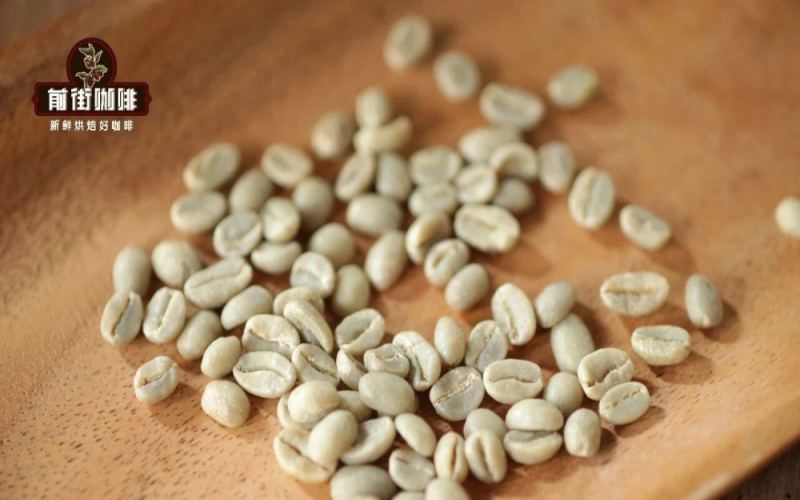
An Analysis of the Flavor Differences Between African, Central and South American, and Asian Island Coffees: Characteristics of the Three Major Producing Regions and Front Street Coffee's Representative Bean Recommendations
Coffee beans from different origins present completely different flavor profiles due to differences in terroir. African beans are known for their bright floral and fruity acidity, with Ethiopia and Kenya as the two benchmarks; Central and South American beans are known for their balanced caramel sweetness and nutty, chocolatey notes, with Brazil, Costa Rica, Panama, and Colombia each having their own strengths; Asian and island beans focus on full body and low acidity, with herbal, spice, and earthy notes. This article reviews the flavor characteristics of the three major origins one by one, and, combined with Front Street Coffee's representative products—Huakui, Yirgacheffe, Cherry Tomato, Cerrado, Tarrazu, Butterfly, Mandheling, Yunnan Small-Bean, and Blue Mountain coffee—provides coffee lovers with a reference for purchasing and tasting. [more…]
A Complete Analysis of the Flavor Differences Between African, Central and South American, and Asian Coffee Beans: From Regional Characteristics to Tasting Dimensions
The flavor code of coffee beans is often hidden in the land where they grow. African beans are known for their bright citrus aromas and berry-like acidity, Central and South American beans for their balanced and smooth character, and Asian and island beans for their full-bodied, low-acid profile. This article systematically sorts out the differences in taste styles among coffee beans from the three major producing regions, and offers an in-depth interpretation of the five tasting dimensions—sweetness, acidity, mouthfeel, balance, and flavor—to help coffee lovers describe and appreciate every cup of coffee more accurately. At the same time, Front Street Coffee, as a coffee specialty research institute, continues to share professional knowledge and, with low-discount events three times a month, lets more people drink good coffee at affordable prices. [more…]
Flavor Comparison Between African Coffee Beans and Central and South American Origins: Estate Characteristics and Grading Systems from Mexico to Brazil
Africa and Central and South America are the world's two core coffee-producing regions, but due to differences in geography, processing methods, and varieties, their flavor profiles are completely different. Central American producing regions such as Mexico, Jamaica, and Brazil mostly present nutty, caramel, and mild acidity with a balanced mouthfeel, while African beans usually have distinct floral aromas and fruity acidity. This article will sort through the growing conditions, estate grading, and flavor characteristics of representative producing countries in Central and South America one by one, helping coffee lovers understand the essential differences between the beans of the two regions. If you want to experience the bright fruity acidity of African beans, Front Street Coffee's everyday drinking bean series is a good choice. [more…]
A Complete Flavor Analysis of Guatemala Antigua La Flor Coffee Beans: The Taste Profile of a Central American Specialty Coffee Nurtured by Volcanic Soil
Guatemala is located on the Central American isthmus. With its highland terrain shaped by volcanic ranges and mineral-rich volcanic ash soil, it has become the world's ninth-largest coffee producer. Among its seven major producing regions, Antigua stands out in particular—a valley surrounded by three volcanoes, abundant sunshine, and cool nights together create a unique microclimate. This article will guide you through an in-depth understanding of the natural conditions of the Antigua region, analyze the cupping performance of local coffee beans, and introduce the elegant sweetness and balanced mouthfeel presented by Flor del Café coffee beans. Whether you are a coffee enthusiast just starting out or a connoisseur pursuing flavor details, you will be able to feel the unique charm that this volcanic land imparts to coffee. [more…]

A Complete Flavor Analysis of Latin American Coffee Regions: A Detailed Guide to Coffee Bean Cultivation and Processing in Panama, Colombia, Costa Rica, Brazil, and Honduras
The global coffee-growing belt can be divided into three major regions: Africa, Asia-Pacific, and Latin America, each presenting a distinctly different flavor profile. Front Street Coffee positions African beans by their fruity acidity and labels Asian beans by their herbal, full-bodied character, while Latin America stands out with its rich chocolate and nutty notes. This article focuses on the core producing countries of Central and South America, examining one by one the producing regions, altitude conditions, variety characteristics, and processing methods of Panama, Colombia, Costa Rica, Brazil, and Honduras, and, combined with the cupping performance of several single-origin beans currently sold by Front Street, presents the complete flavor map of Latin American coffee from soft acidity to rich sweetness. [more…]
A Complete Guide to Latin American Coffee Regions: An In-Depth Guide to the Flavors, Varieties, and Processing Methods of Eight Major Producing Countries, from Brazil to Guatemala
Among the world's three major coffee-producing regions, Latin America (Central and South America) is known for its balance and body, typically presenting flavor notes of cocoa and dark chocolate. From Brazil's nutty-chocolate character, to Colombia's bright acidity, to Panama Geisha's legendary floral aroma, Jamaica Blue Mountain's balanced sweet-acidic-bitter profile, and the diverse expressions of Guatemala, Costa Rica, Honduras, Nicaragua, and other countries, this land has given birth to countless classic coffees. In this article, Front Street Coffee (FrontStreet Coffee) sorts out the origins, processing methods, and representative producing countries of Latin American coffee, along with brewing parameters and flavor descriptions for each producing country, to give you a systematic understanding of the full picture of Central and South American coffee. [more…]
A Guide to Buying Specialty Coffee Beans from Central and South America: Analyzing Flavor Differences Across Origins Like Colombia, Brazil, and Panama
In the coffee belt, Central and South America, with their volcanic ash soils, microclimates, and high-altitude terrain, give rise to specialty coffees of distinct styles. This article begins with a geographical division, sorting out the coffee map of the seven Central American countries and the Caribbean islands, then analyzes one by one the flavor characteristics of representative producing regions such as Colombia, Guatemala, Costa Rica, Panama, El Salvador, and Brazil, and includes specific bean list recommendations from the Front Street brand, covering various processing methods such as washed, natural, and honey, to help coffee lovers find their ideal choice according to taste preference. [more…]
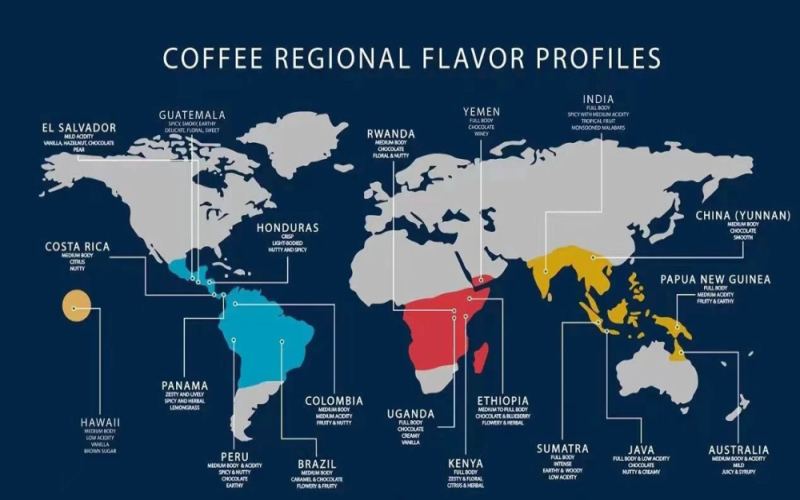
Coffee Region Basics: Flavor Differences and Representative Beans of the African, Central and South American, and Asian Coffee Belts
The Coffee Belt refers to the tropical and subtropical regions where the average annual temperature exceeds 20°C, with warm seasons year-round, frost-free winters, abundant sunshine, and ample rainfall—conditions highly favorable for coffee tree growth. Even among coffees, beans from different origins vary enormously in flavor; even the same variety grown in Panama and neighboring Costa Rica will perform differently. Flavor differences are not only related to variety—altitude, climate, and soil also profoundly influence the formation of coffee flavors, allowing one to identify the origin with a single sip. Front Street Coffee has found in daily cupping sessions that African beans typically have brighter acidity, Central and South American beans have more layered flavors with softer acidity, and Asian beans are full-bodied and steady, with strong taste and low acidity. This article will combine several representative beans from Front Street Coffee to analyze the flavor characteristics of the three major origins. [more…]
Caturra Coffee Variety Full Analysis: From Bourbon Natural Mutation to Central American Mainstay, Flavor Profile and Historical Origins
Caturra, a natural mutation of Bourbon, has gradually become an important pillar of the Central American coffee industry since its discovery in Brazil around 1915, thanks to the high-density planting advantages brought by its dwarf gene. This article will systematically review Caturra's historical context, breeding process, and global spread, and combine Front Street Coffee's cupping experience to provide an in-depth analysis of this variety's flavor performance. At the same time, the article will also introduce the relationship between Caturra and the Catimor family, as well as Front Street Coffee's currently available Caturra daily drinking beans from the Huila region of Colombia, offering coffee lovers a complete reference from variety awareness to practical tasting. [more…]
A Complete Guide to Central and South American Coffee Regions: From Brazil to Panama, a Guide to Signature Beans, Flavors, and Varieties
Coffee novices often think coffee is only about bitterness and aroma, but in reality the flavor world of single-origin coffee is far richer than imagined. This article systematically reviews the producing regions, variety characteristics, and flavor profiles of the major coffee-producing countries in Latin America, covering Brazil, Colombia, Honduras, Panama, Costa Rica, Guatemala, Peru, Ecuador, Jamaica Blue Mountain, and Bolivia. Starting with the balanced, full-bodied American beans, you will learn about the differences brought by washed and natural processing in each country, along with specific product recommendations from Front Street Coffee to help enthusiasts build a clear framework for understanding producing regions. [more…]

A Complete Analysis of the Flavor Characteristics and Varieties of Latin American Single-Origin Coffee Beans: A Regional Guide from Brazil to Costa Rica
The global coffee-growing belt can be divided into three major regions: Africa, Asia-Pacific, and Latin America. Among them, Latin America is known for its mellow, balanced character reminiscent of cocoa and dark chocolate. Starting from Front Street Coffee's everyday beans series, this article systematically reviews the historical origins, variety characteristics, and processing method evolution of Latin American coffee, and interprets one by one the flavor codes of representative producing countries such as Brazil, Colombia, Panama, Costa Rica, Honduras, Jamaica Blue Mountain, and Nicaragua. The article also includes brewing parameters and flavor descriptions for specific beans such as Front Street Queen's Estate Yellow Bourbon, Sidra, Boquete Geisha, Mozart, washed Caturra, Blue Mountain No. 1, and Villalobos, providing coffee lovers with a guide to Latin American coffee that is both informative and practical. [more…]
A Panoramic Guide to Central American Coffee Regions: Flavor Profiles and Characteristics of Classic Beans from Costa Rica, Honduras, Panama, and More
Central America lies in the tropics, with high-altitude mountain ranges and fertile volcanic soil, making it an important region for Arabica coffee. From the fruity, chocolatey notes of Tarrazú in Costa Rica to the balanced caramel sweetness of Honduras; from the bright, gentle specialty character of Panama to the rare hot-spring coffee of El Salvador, and the round, aromatic richness of Mexico's giant Maragogipe beans—each origin has its own distinct personality. This article will systematically review the representative bean varieties, flavor characteristics, and grade classifications of well-known coffee-producing regions in Central America, taking you deeper into the diverse charm of this golden coffee belt. [more…]
A Complete Analysis of Latin American Coffee Regions: Flavor Profiles and Processing Methods of Coffee Beans from Eight Countries Including Brazil and Colombia
Latin America is one of the most important coffee-producing regions in the world. From Brazil to Colombia, from Panama to Guatemala, each country shapes a distinctively different coffee flavor profile through its unique geography and processing methods. This article systematically reviews the producing regions, bean varieties, processing methods, and cupping performance of eight major Latin American coffee-producing countries, and combines Front Street Coffee's daily drinking bean series with Front Street Coffee's brewing methods to help coffee lovers fully understand the balance and cocoa-chocolate notes of Latin American coffee. Whether you are a beginner just starting out or a seasoned enthusiast, you can find the cup that suits you. [more…]
A Guide to the Specialty Coffee Bean Regions of Five Central American Countries: El Salvador, Nicaragua, Honduras, Guatemala, and Panama
Central America is a key region in the world of specialty coffee, where volcanic ash soils and shade-grown cultivation give rise to high-quality Arabica beans with distinct styles. This article will guide you through the coffee-producing regions, varietal composition, and flavor profiles of five countries—El Salvador, Nicaragua, Honduras, Guatemala, and Panama—and include Front Street Coffee's V60 three-pour brewing parameters. Whether you are looking for an everyday staple bean or exploring competition-grade specialty coffee, this guide offers a clear reference framework. [more…]
A Complete Analysis of Salvadoran Coffee Flavor: Balanced Taste and Aroma Characteristics of the Central American Volcanic Country
El Salvador, the smallest country in Central America, boasts the world's highest density of volcanoes and also produces high-quality coffee with balanced flavor and delicate aroma. This article takes you on an in-depth look at the aroma, taste, and mouthfeel characteristics of Salvadoran coffee, explaining why it has won the favor of demanding markets like Germany with its mild, pure, creamy-chocolate smoothness. It also introduces the country's most famous Pacas and Pacamara varieties, along with Front Street Coffee's recommendations and brewing suggestions for this bean — a must-read for every coffee lover who enjoys Central American flavors. [more…]